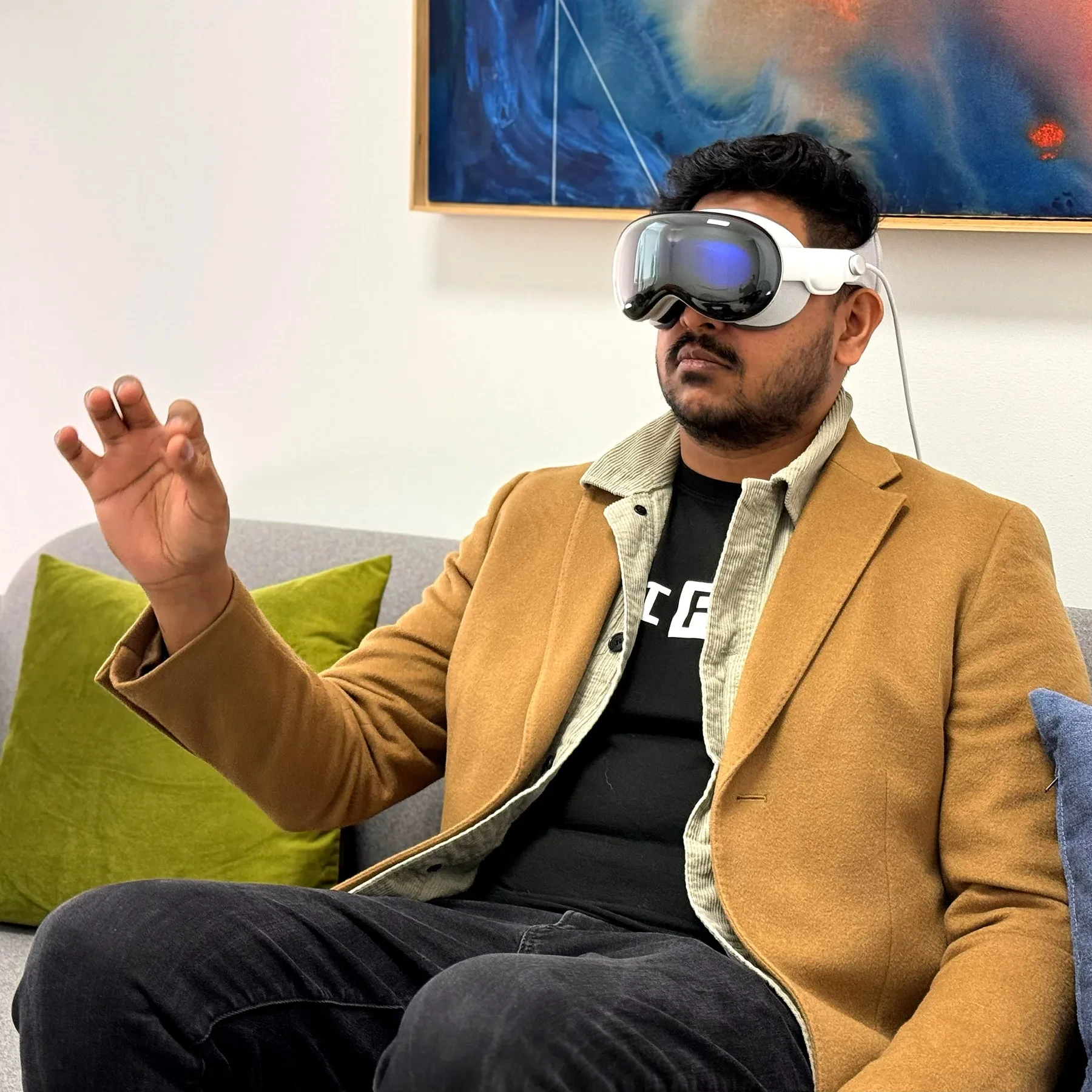
Apple Vision Pro Research
User-Centred Research — Can XR Replace Smartphones?
This research project explored whether the Apple Vision Pro could address two growing problems caused by smartphone overuse: posture degradation from sustained downward head flexion (33–45°), and social isolation through 'phubbing' — the act of snubbing others by looking at your phone. A mixed-method approach combined a pre-study questionnaire (n=33), in-store usability observations at the Apple Store, and semi-structured interviews with multi-generational participants.
The Problem
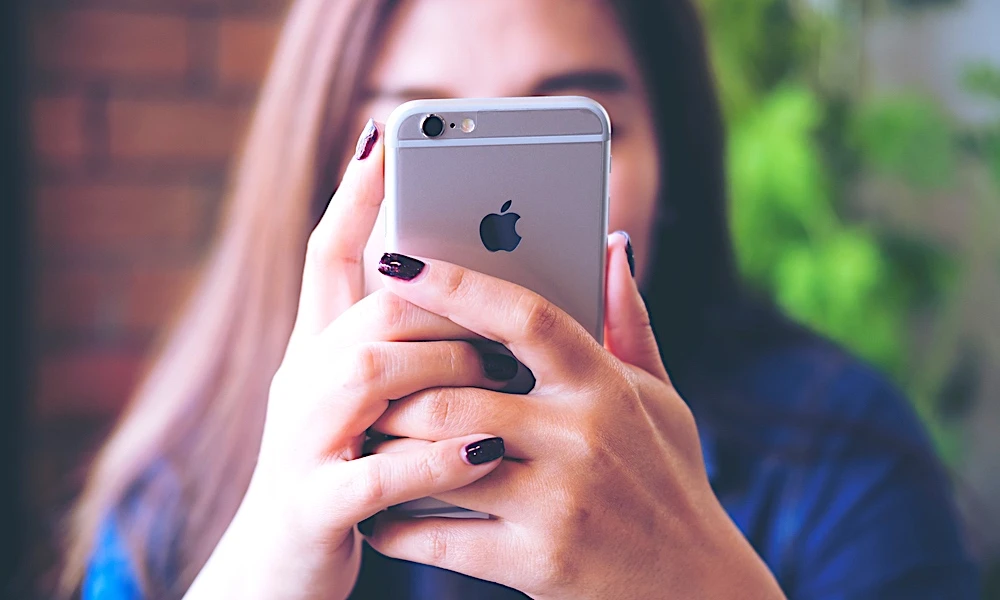
Over 7 billion mobile users spend 3–7 hours daily on their phones. This sustained use causes two key problems: posture degradation — users maintain a head flexion of 33–45° when looking down, causing neck strain and long-term cervical vertebrae issues — and social isolation through 'phubbing', where people snub others by prioritising their phone screen over face-to-face interaction.
The research asked three questions: Are users more comfortable using the Apple Vision Pro than their smartphone? Do mixed-reality headsets reduce social isolation? And what user-requirements must the Vision Pro meet to be a genuine ergonomic alternative?
The Method
An interpretivist philosophy with qualitative methodology guided the study. Three methods were used:
A pre-study questionnaire (33 respondents across all age groups from 18–65+) established baseline smartphone habits, posture awareness, social isolation experiences, and VR familiarity. 100% owned smartphones, 52% used them 1–3 hours daily, and 67% believed VR/XR 'maybe' could replace smartphones.
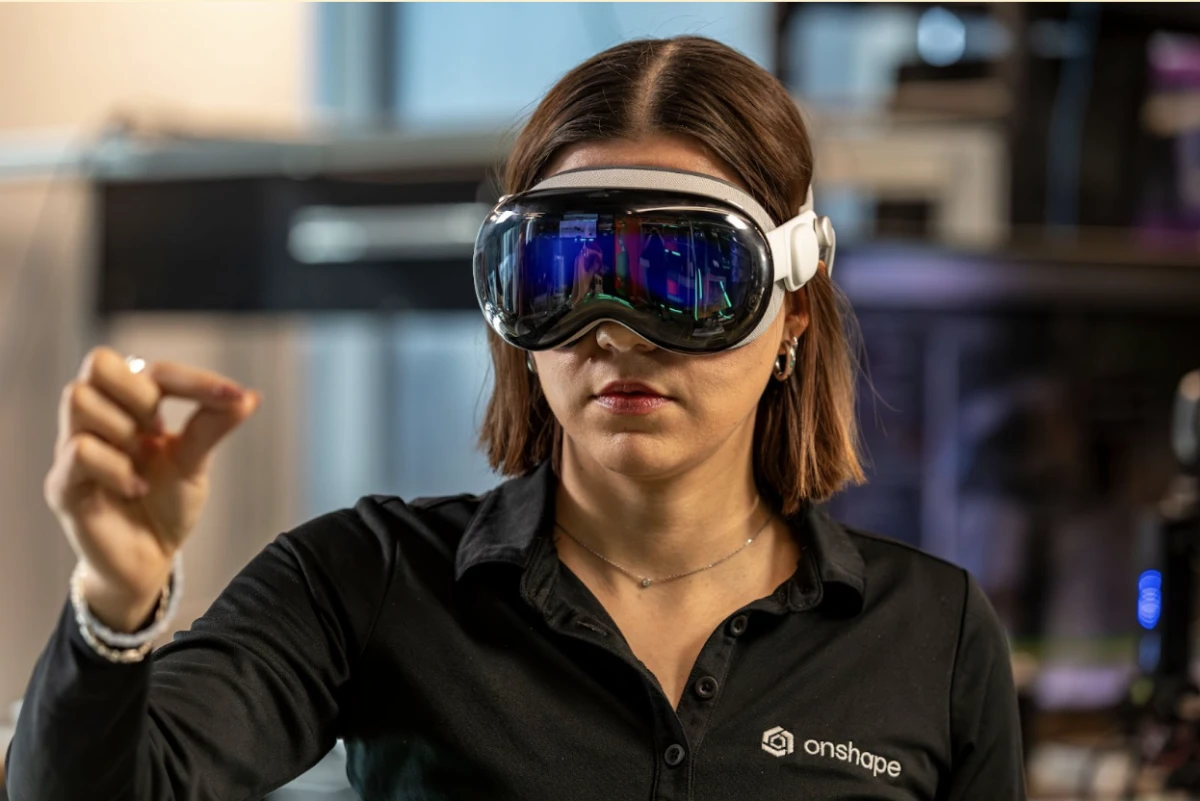
Usability observations at the Apple Store documented participants during 30-minute Vision Pro demos — tracking posture, interaction patterns, and reactions to hand/eye/voice controls.
Semi-structured interviews conducted outside the store (to avoid bias) explored experience, comfort, social implications, and requirements for future iterations. Convenience sampling targeted 3 participants per generation across Gen Z, Millennials, Gen X, and Boomers.
Key Findings
The questionnaire data revealed striking patterns:
Phubbing is universal — 45% reported being phubbed occasionally, 27% frequently, and critically, 0% said 'never'. Nearly half (42%) admitted to being distracted by their phone during face-to-face interactions.
Posture pain is widespread — 27% frequently experience discomfort after prolonged phone use. Neck pain (14 respondents) and eye strain (12) were the most common complaints. The majority rated addressing posture issues in device design as Important to Extremely Important.
Openness to alternatives exists — while only 6% currently own a VR device, 67% said VR/XR 'maybe' could replace smartphones. The gap between interest (33% have tried VR) and adoption (6% own one) points to price and practicality as the core barriers, not technology rejection.
The Insight
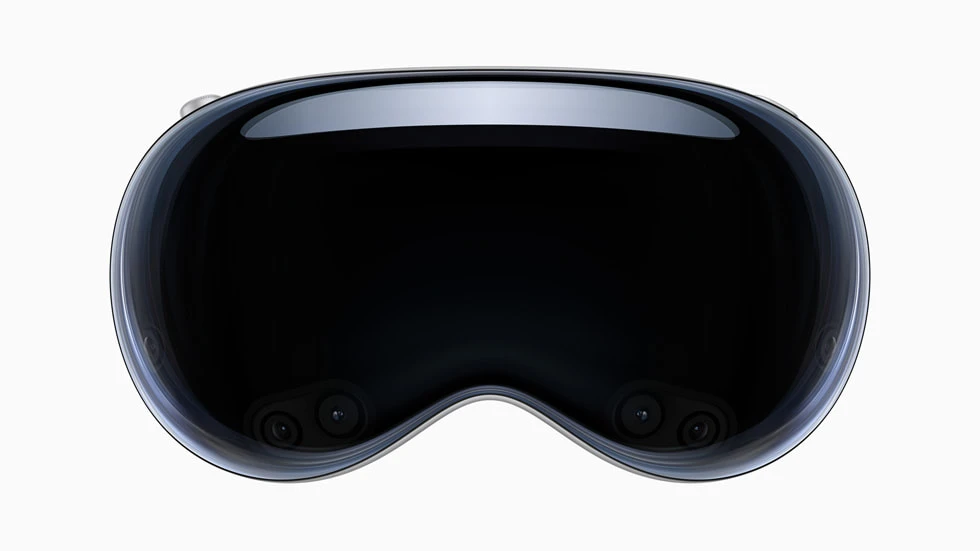
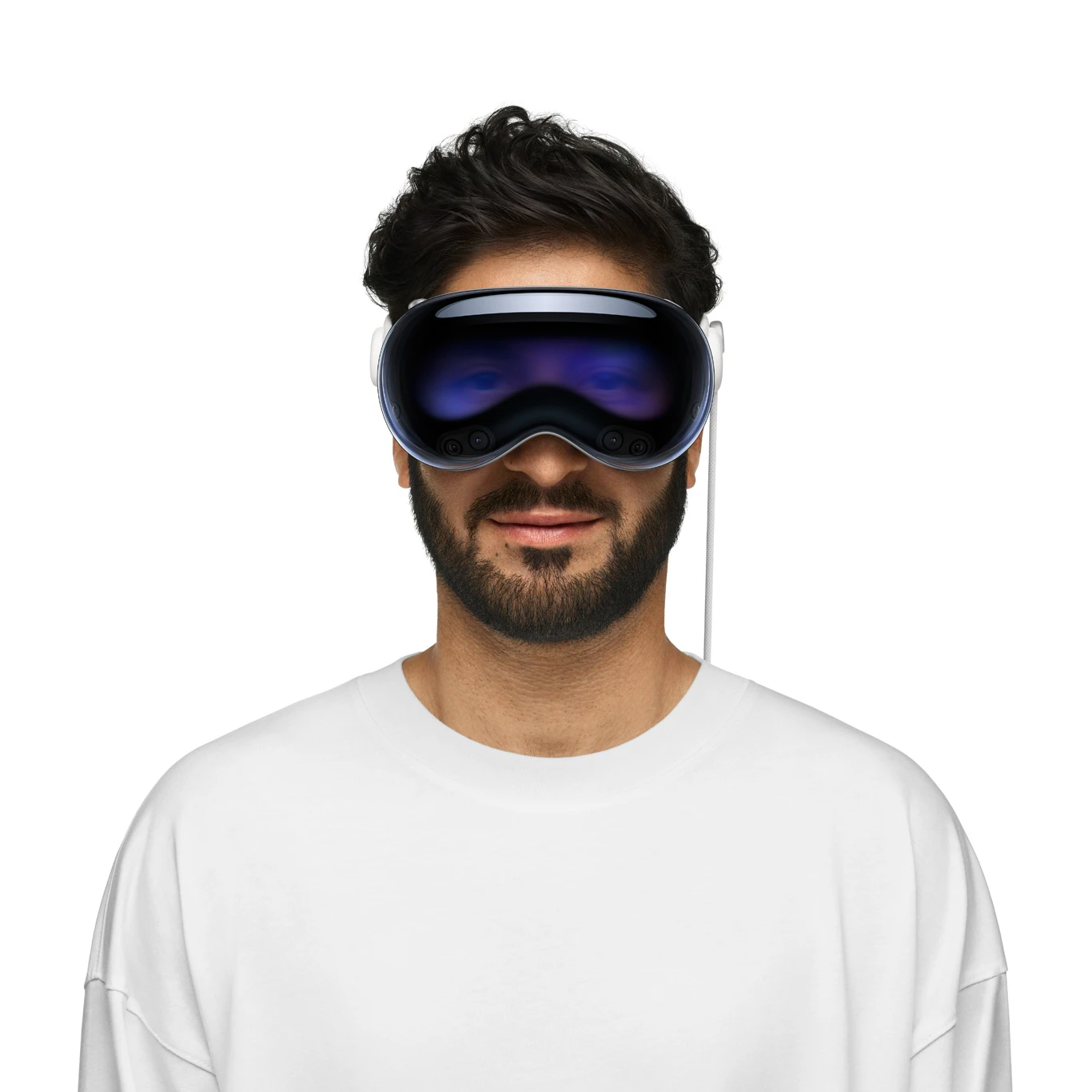
Mixed reality structurally reframes the human-device interaction. By moving from 'looking down at a screen' to 'looking up and forward at floating tiles', devices like the Vision Pro eliminate the forced head flexion that causes posture problems. Apple's EyeSight feature — projecting the user's eyes on the headset's front — addresses social isolation by keeping users visually present with people around them.
However, the research also surfaced clear barriers: the £3,499 price point, comfort during extended wear, and the social stigma of wearing a headset in public. The user requirements that emerged centre on weight reduction, longer battery life, prescription lens support, and a price point under £1,000 before mainstream adoption becomes realistic.