SetLink
Live Audience Interaction & Transaction Tool
Project Overview
SetLink didn't start as a product — it started as a problem I lived every night on stage. Across three phases, each driven by new skills I was developing, the project evolved from a musician's gut feeling into a researched prototype and finally into a live web application. Each iteration taught me something the previous one couldn't.
Phase 1 — The Musician's Instinct
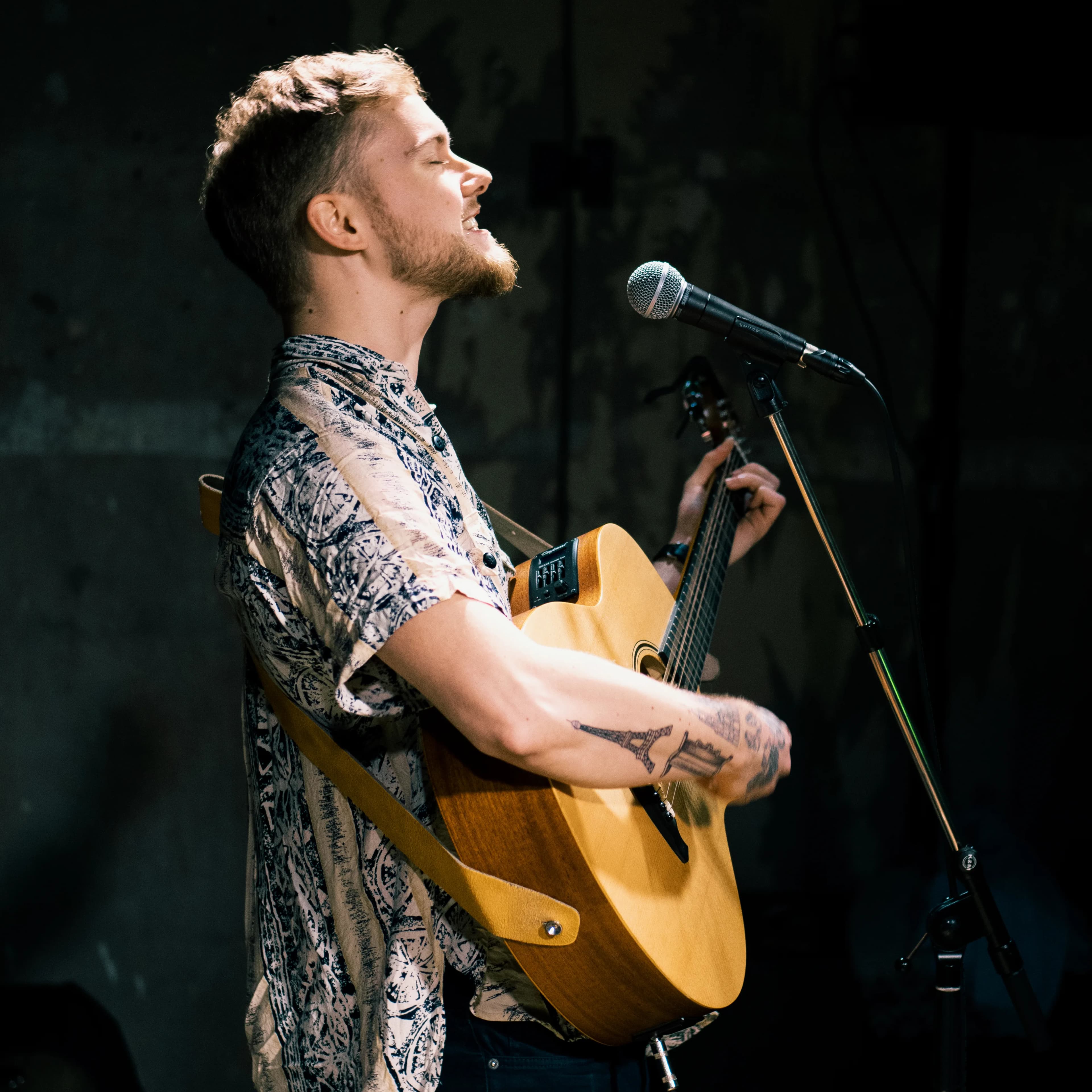
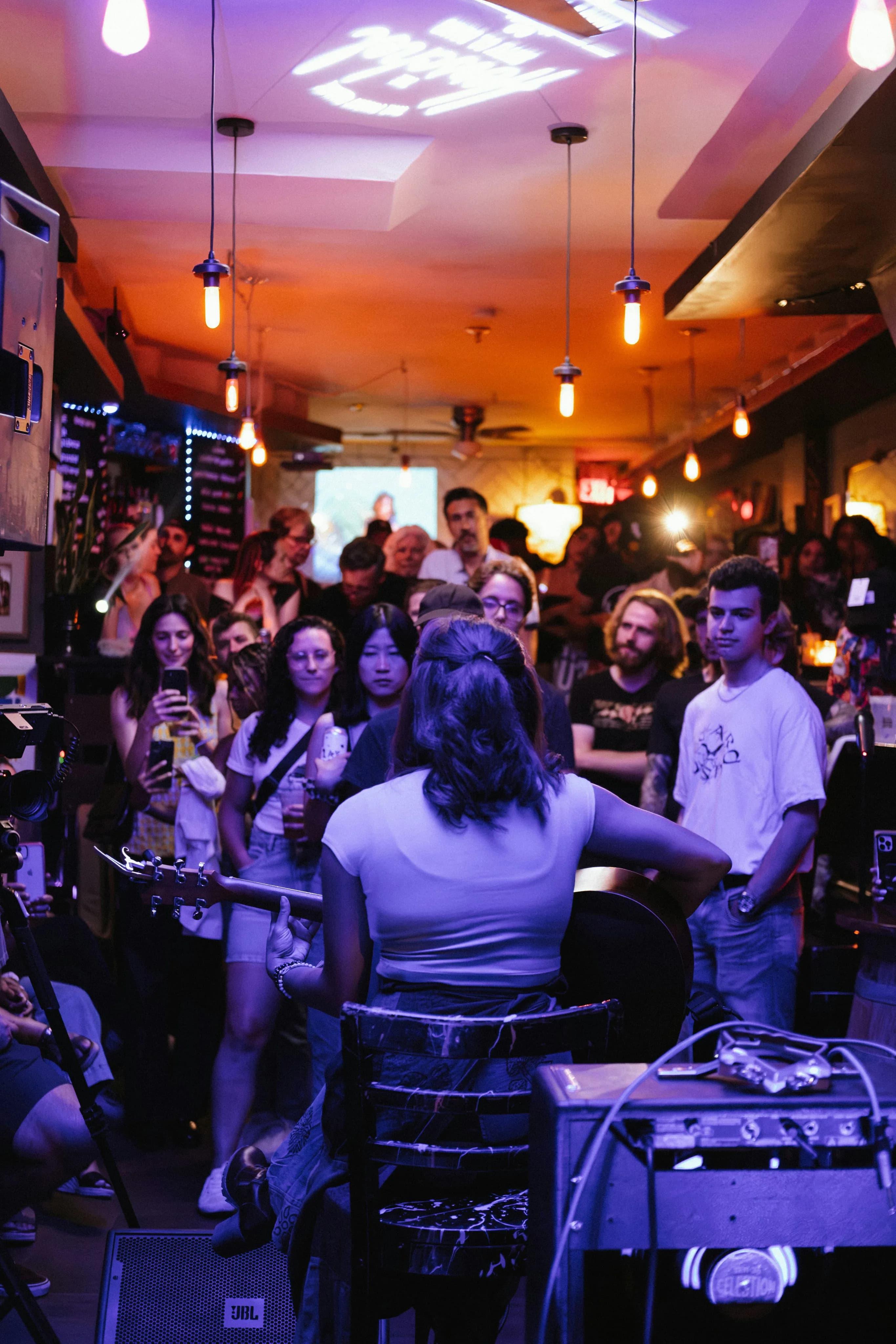
Before I ever studied UX, I was a professional musician playing pubs, hotels, and events across Ireland and the Netherlands. Every night I saw the same problem: audiences loved the gigs — they'd sing, dance, request songs — but that energy vanished the moment the last note rang out. I'd hand out business cards and ask people to leave a Google review, but my hands were on the guitar, not on a phone. Enthusiastic audience members would slip away before a lasting connection was made.
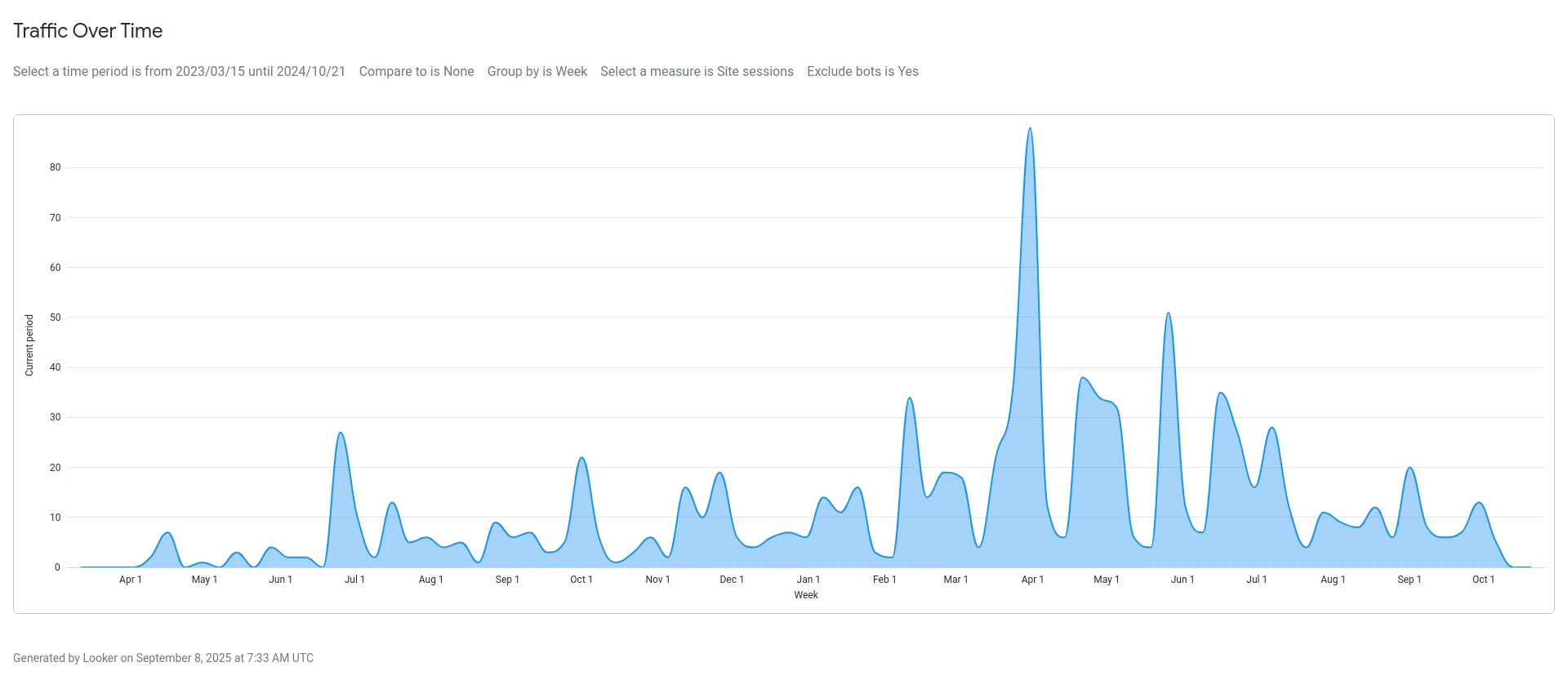
This wasn't a hypothesis from a textbook. I lived it hundreds of times. I tried everything I could think of — QR codes on posters, text-based request systems, shout-outs from the mic. The organic approach worked to a degree: I saw a 3–5x increase in online traffic during my busiest months, peaking at 85+ weekly sessions. But it was fragile, manual, and entirely dependent on me remembering to promote it mid-performance. The problem was validated. The solution needed more than instinct.
Phase 2 — The Researcher's Method
After graduating, I had a new toolkit: formal UX research methodology. I used Google's UX Design course as my framework and applied the Design Thinking process — Empathise, Define, Ideate, Prototype, Test — to the problem I already understood from the inside.
I conducted qualitative interviews with six musicians across different genres. The findings were rich and often surprising. "Audience participation is massive… it helps your set list and it helps your mental health too," one performer told me. But requests were a double-edged sword: "People usually come up while I'm in the middle of a song, shouting something into my ear… or they're showing me their phones." One musician reported that when they tried a text-based request system, "about 75% of it was just abuse."
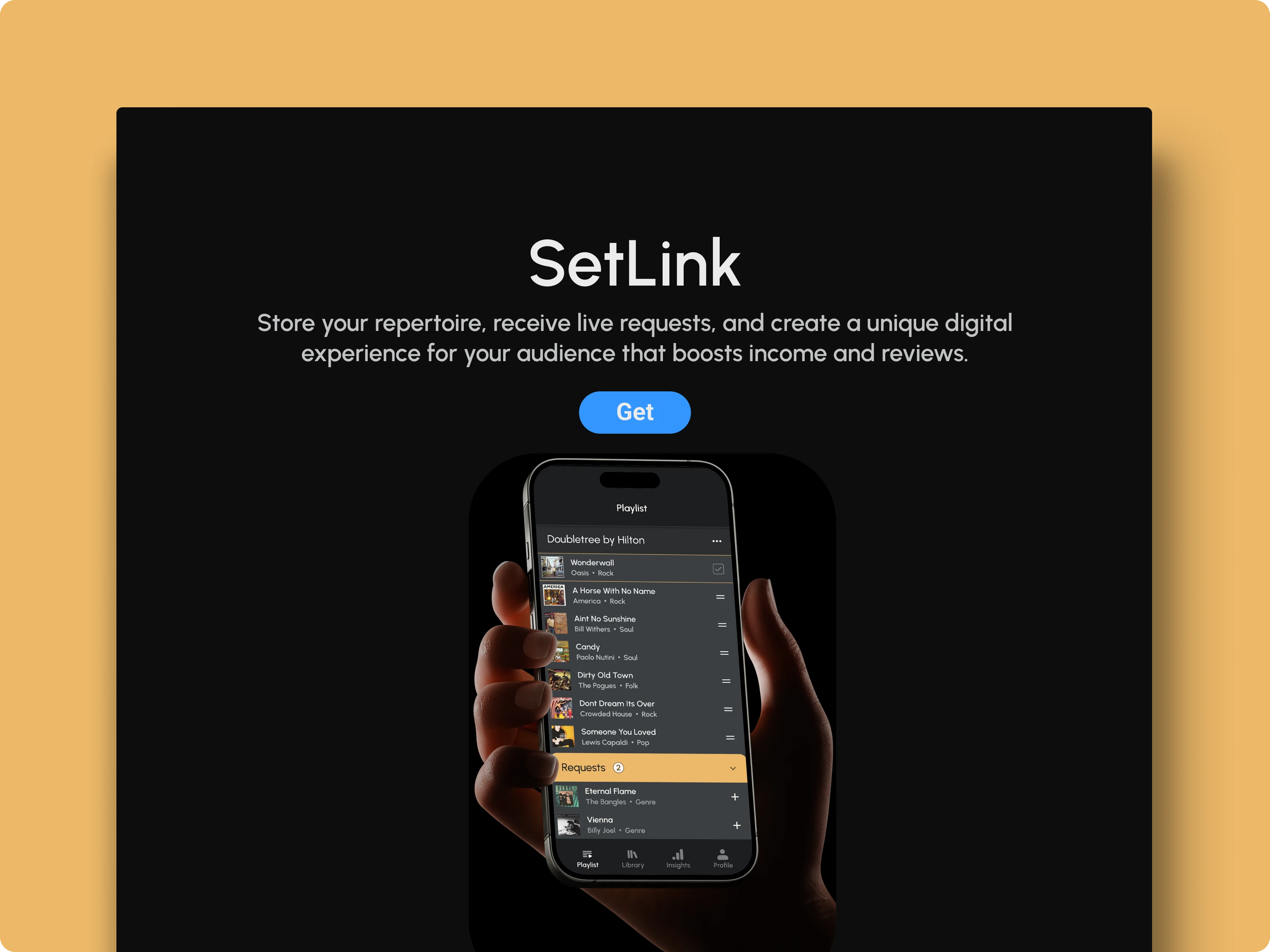
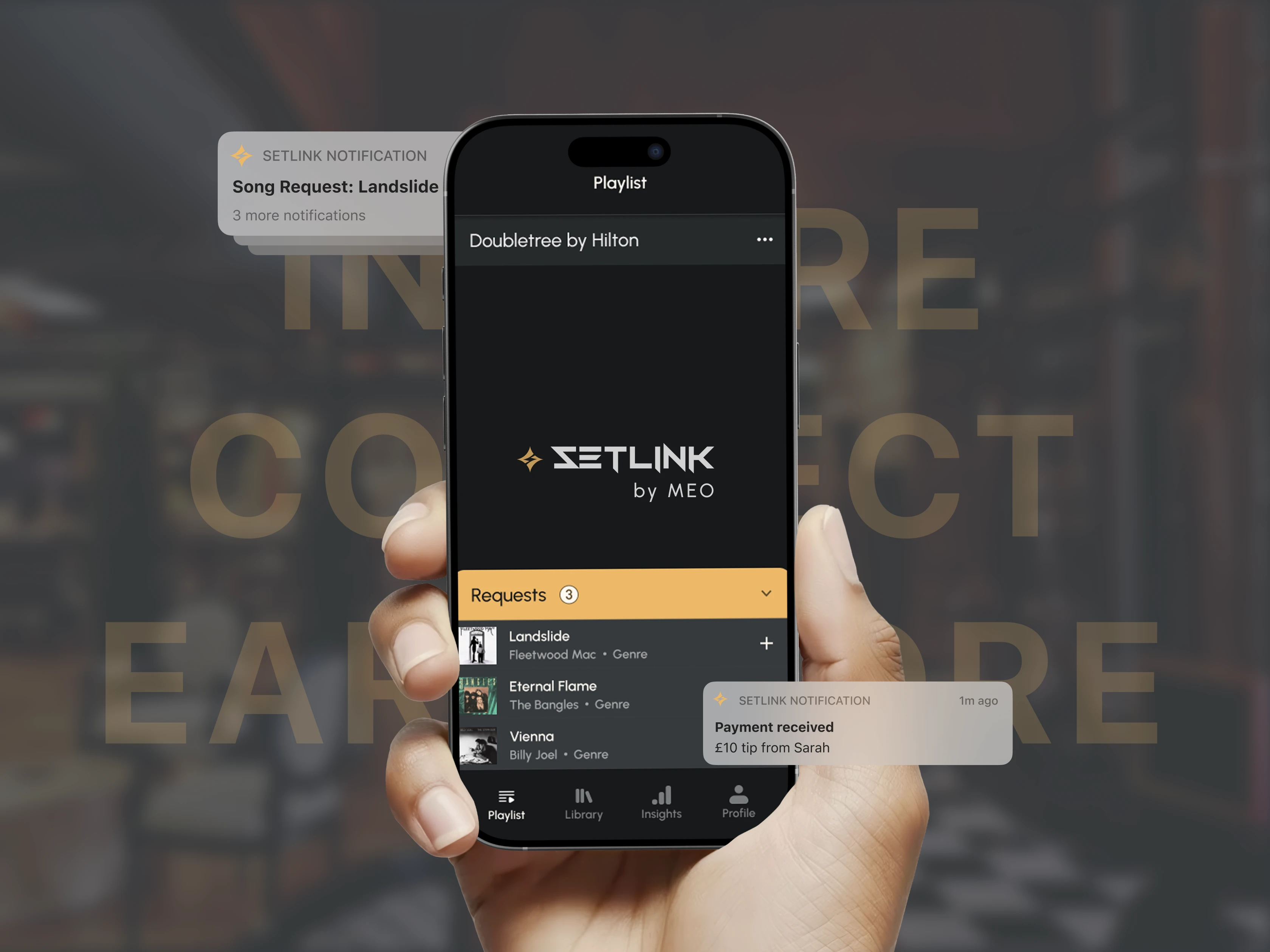
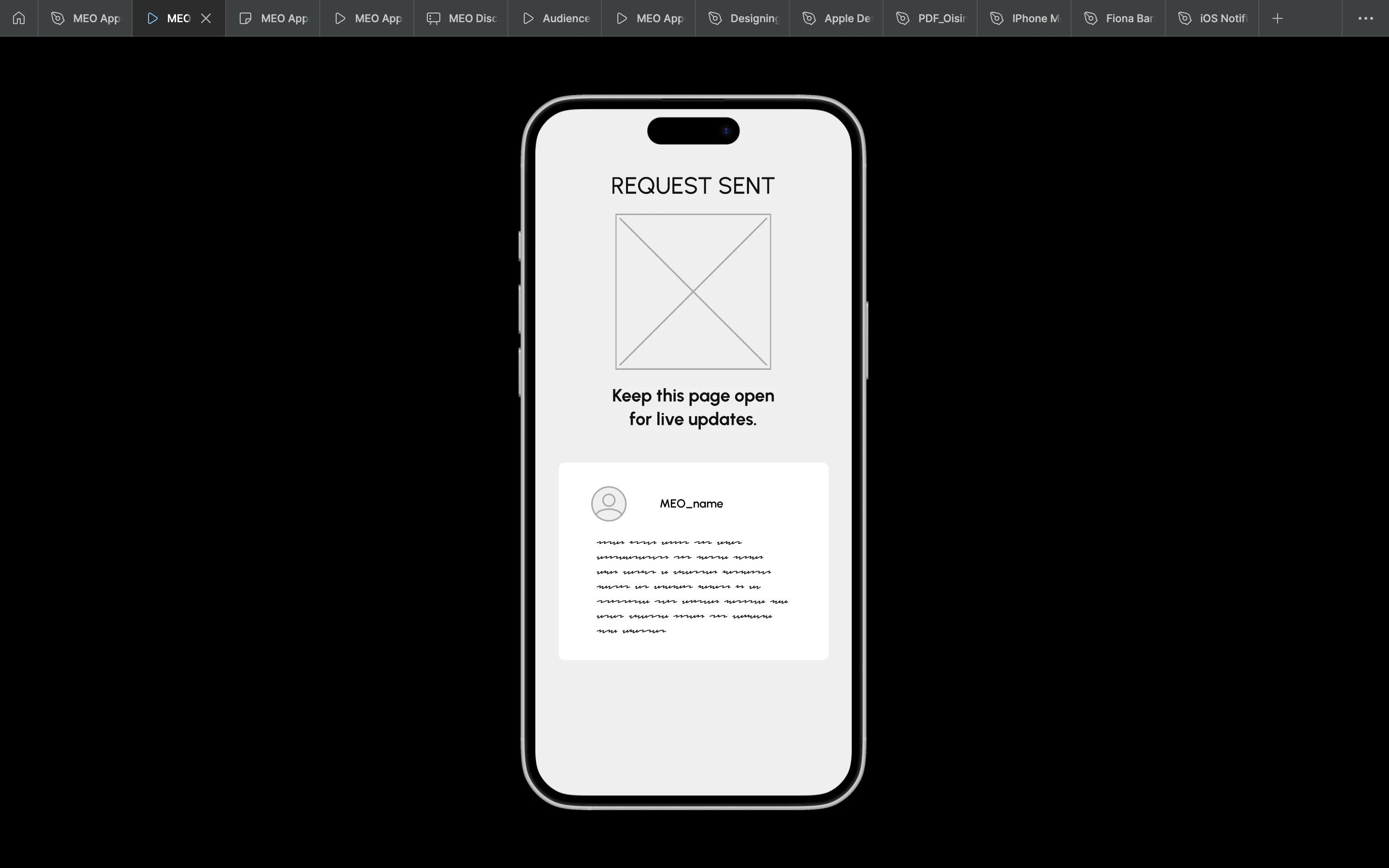
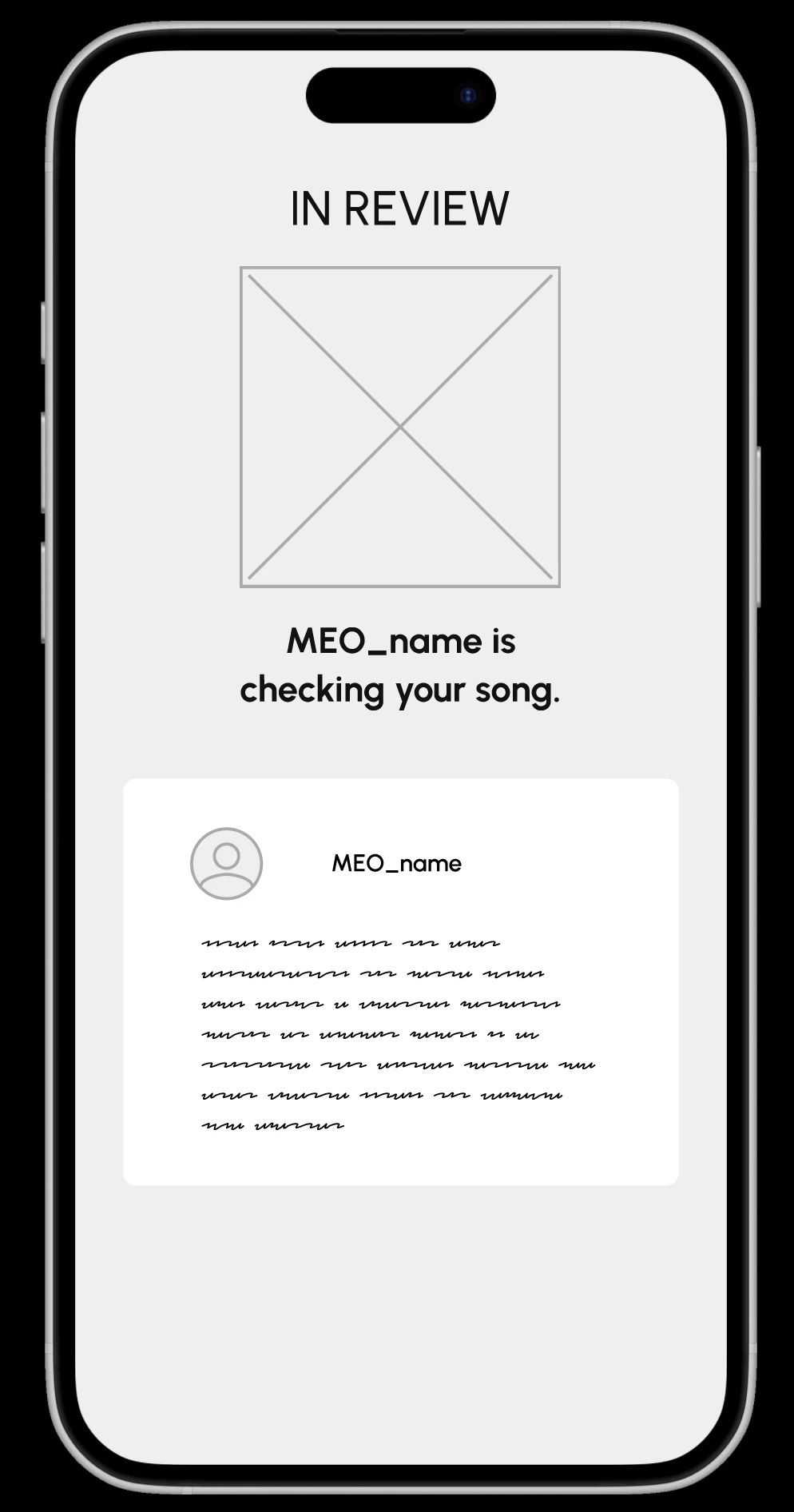
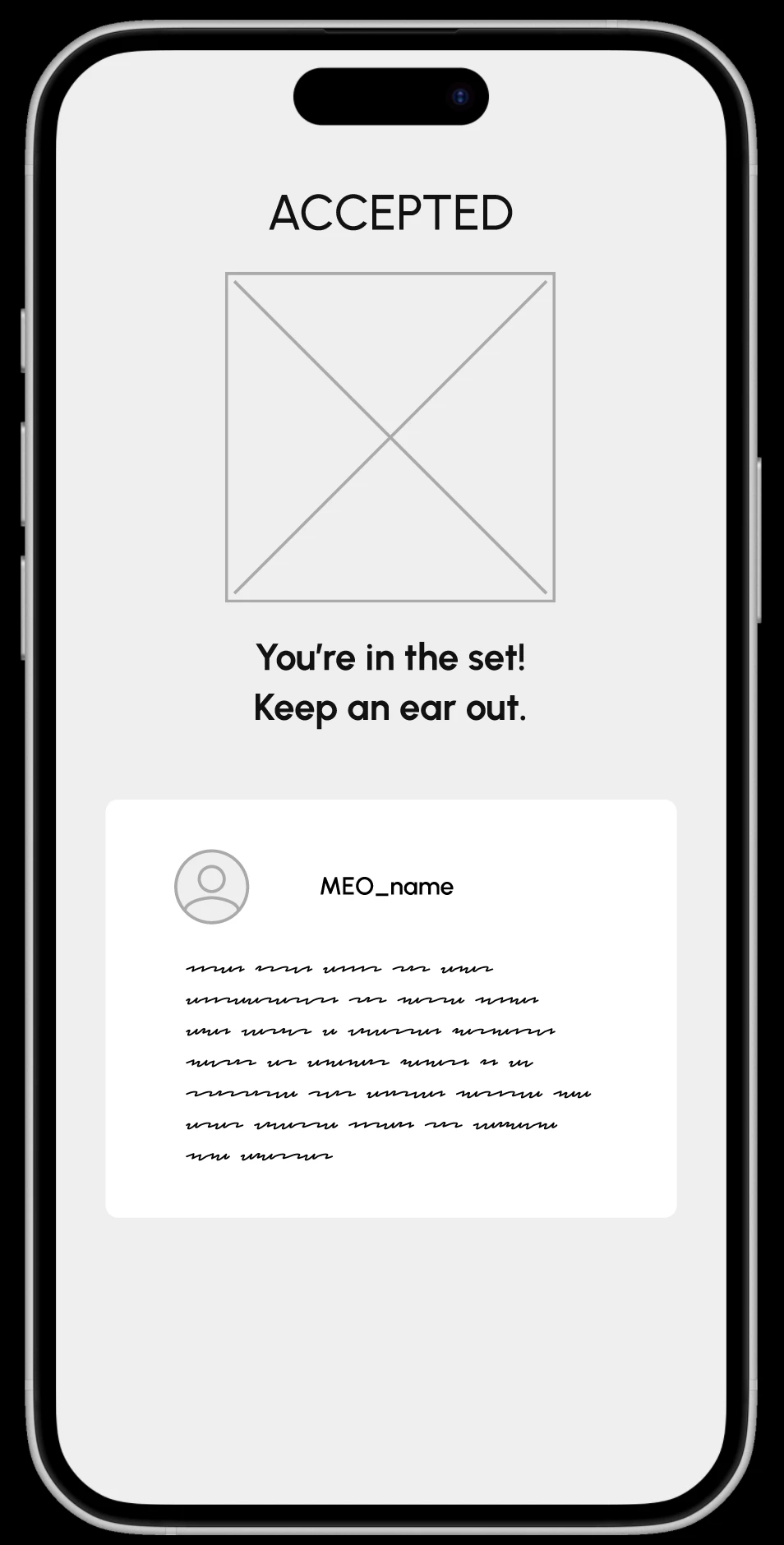
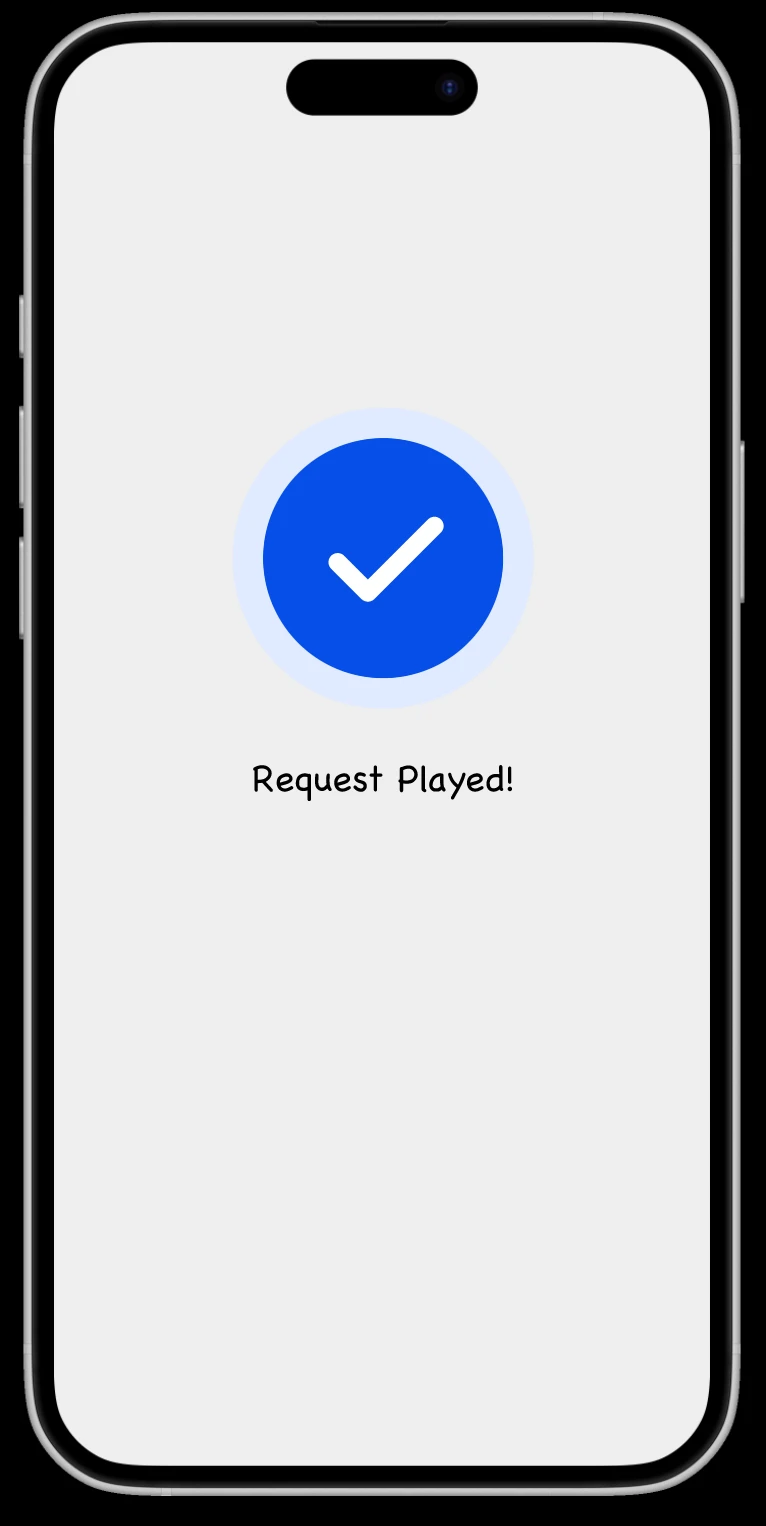
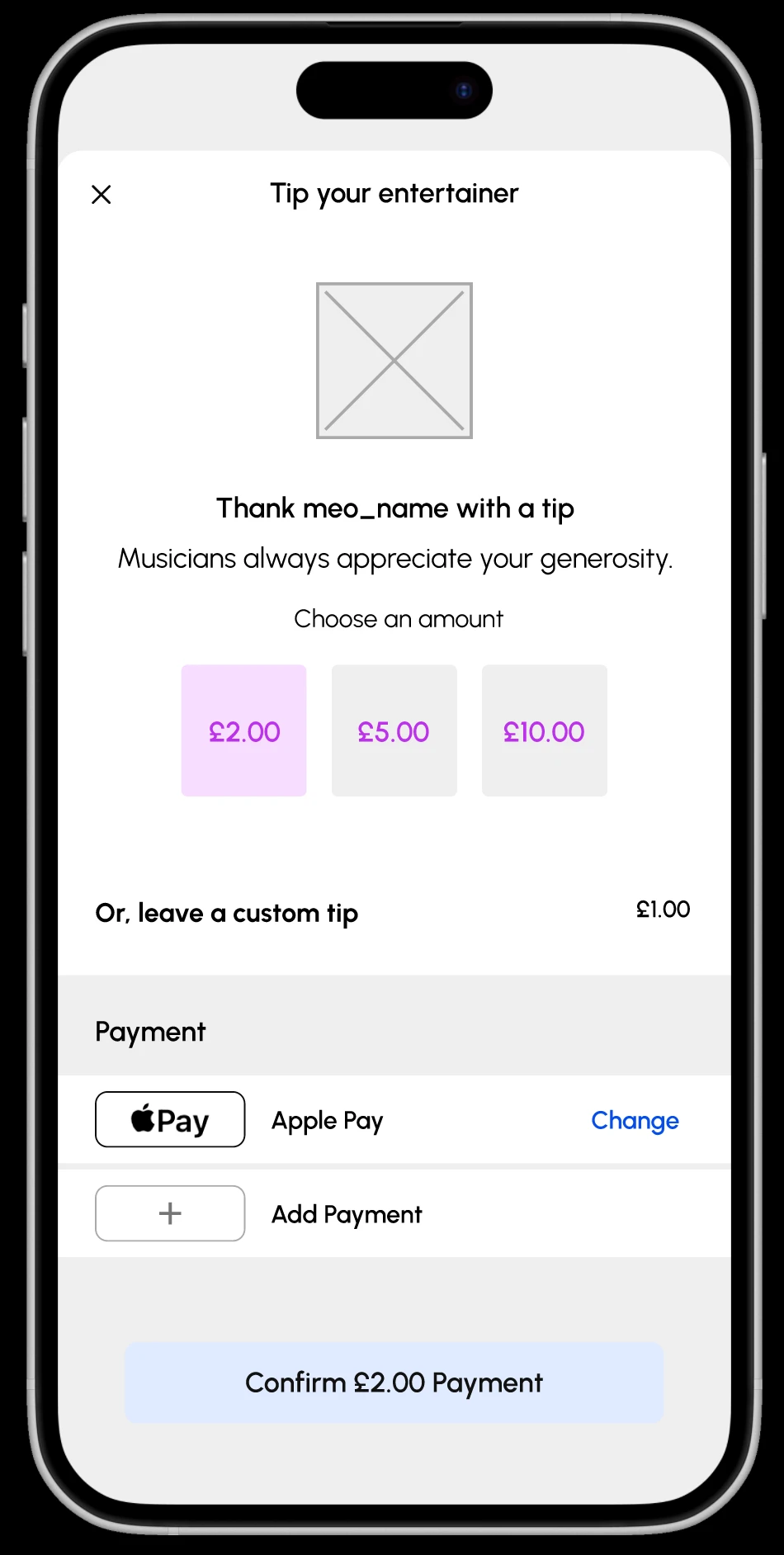
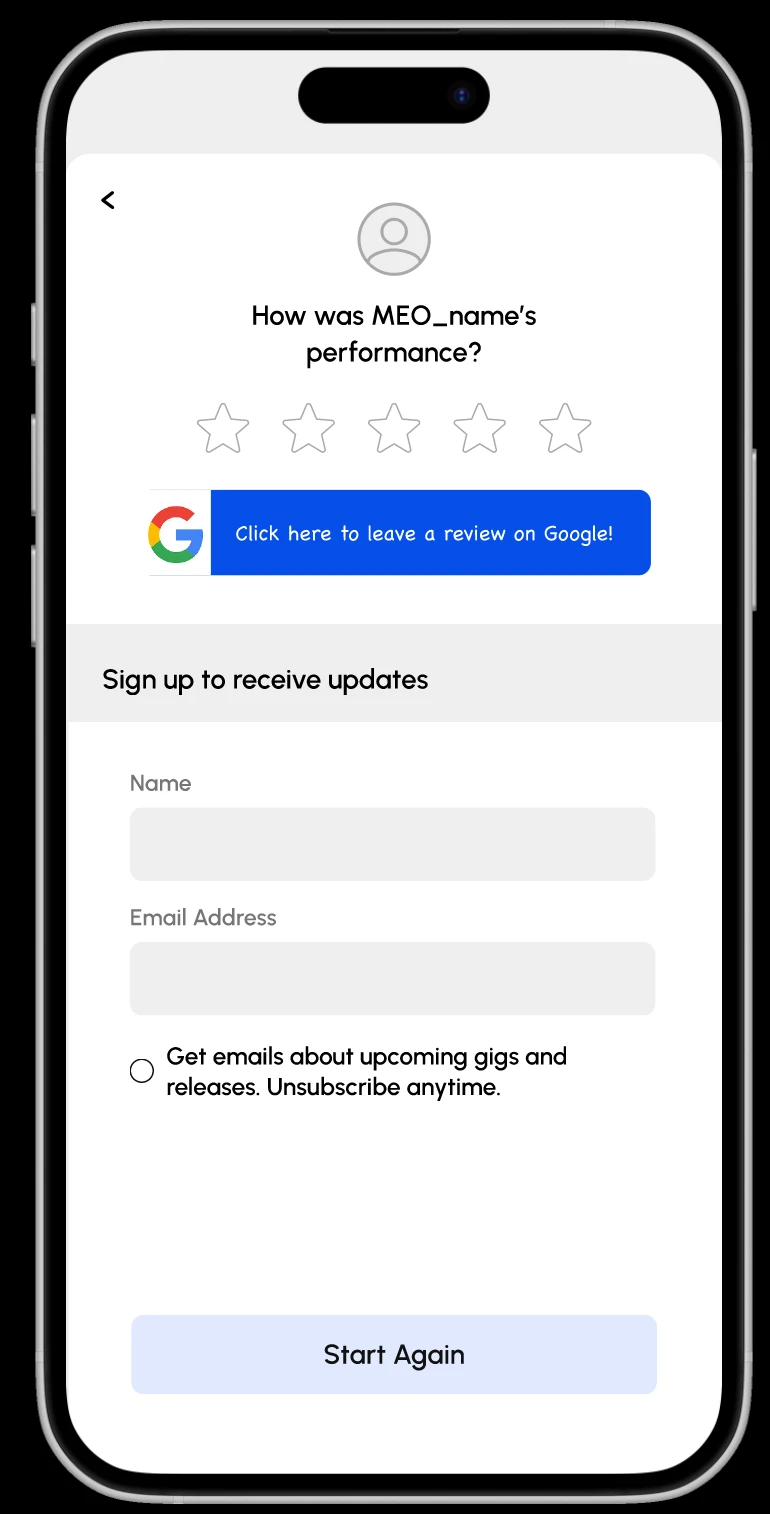
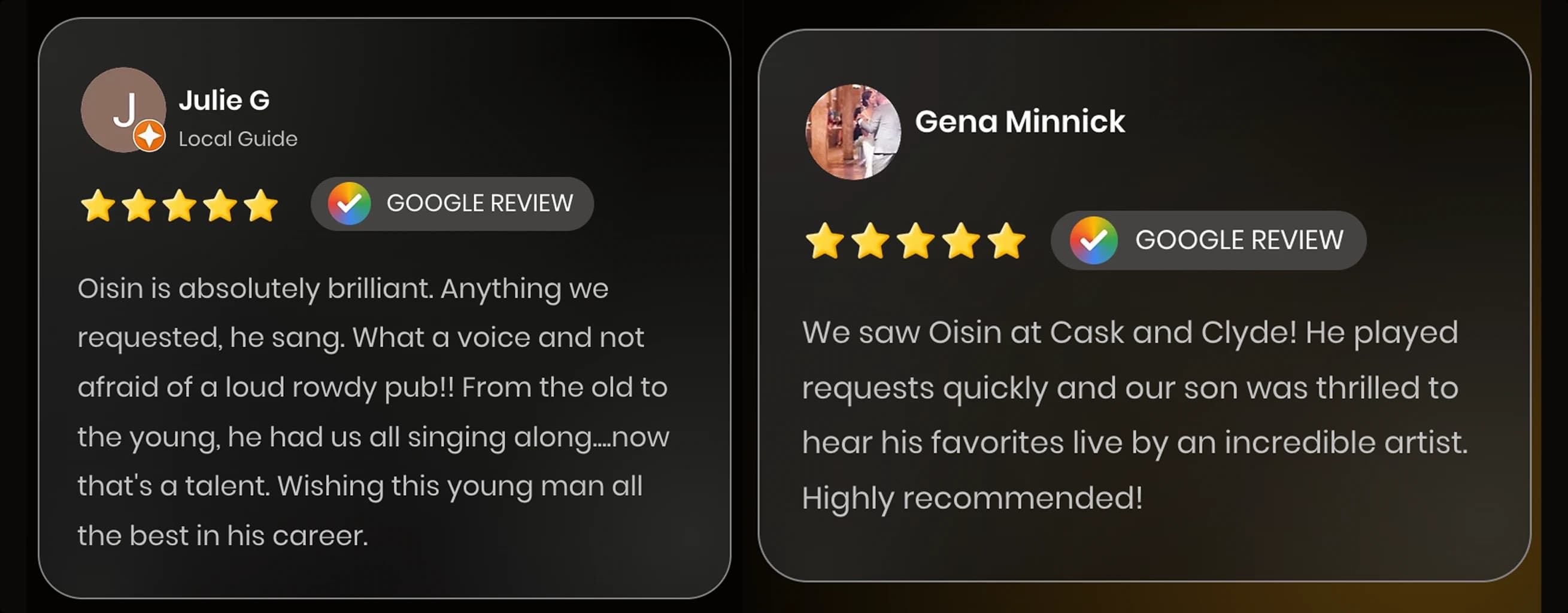
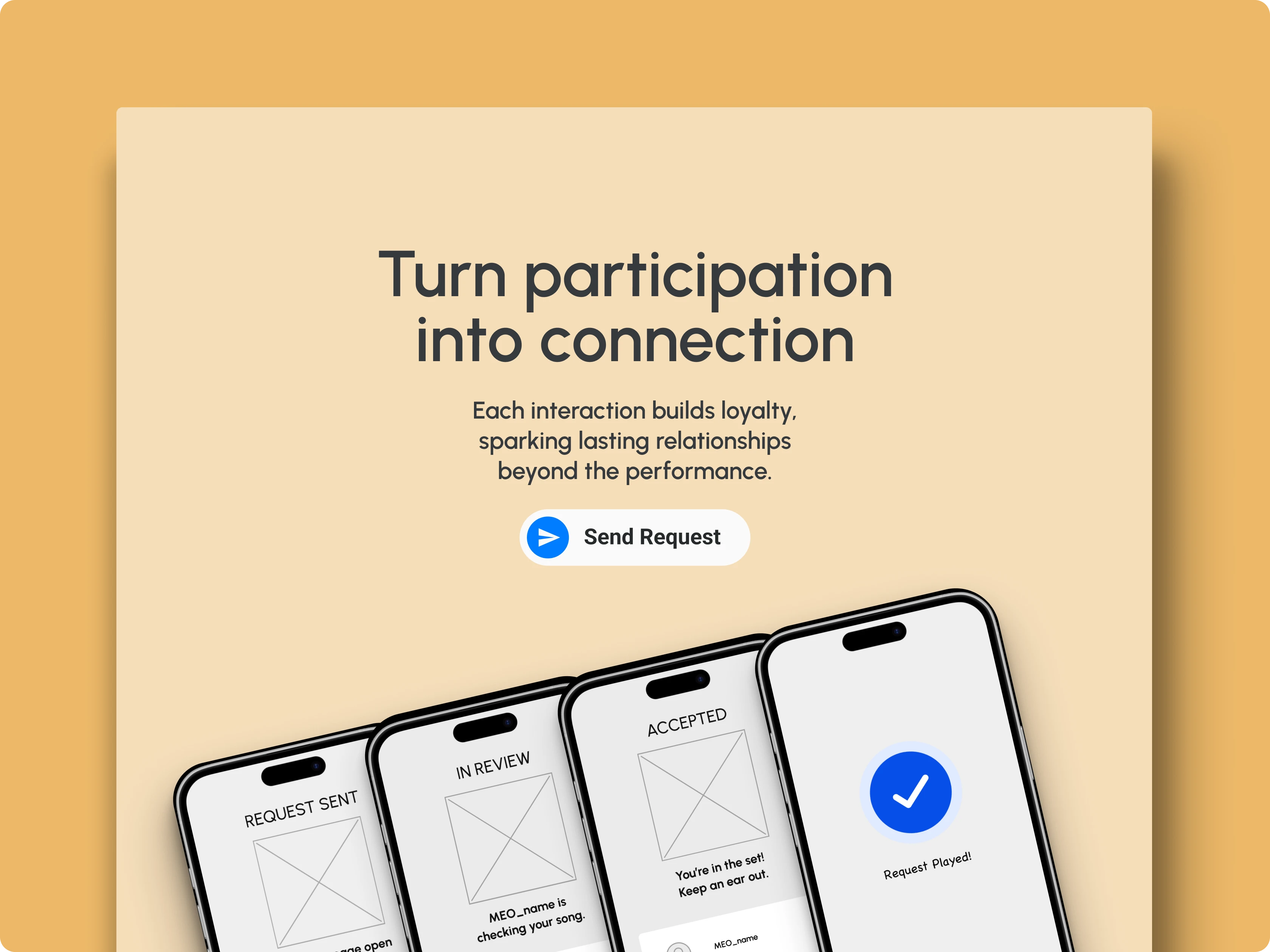
From this research I designed two parallel user flows: the audience member's emotional journey (scan QR → browse songs → request → real-time updates → tip and review at the emotional peak) and the musician's in-app experience (manage queue, accept/reject requests, stay in flow). A key design principle was leveraging Kama Muta — the feeling of being moved by connection. During testing, people shared stories like "that was my wedding song" — and at that moment of peak emotion, offering a tip felt natural rather than transactional. The prototype generated verified Google reviews from real audiences, proving the concept worked in the field.
Phase 3 — The Builder's Execution
The research and design were solid, but I couldn't build it alone — until I could. Working with Claude Code gave me full frontend engineering capability, and I used it to ship SetLink.nl: a functioning web application with a real-time Convex backend.
Musicians can now create an account, build and manage their song library in a database, organise setlists, and share a live profile with their audience. The audience-facing experience is exactly what the prototype envisioned — frictionless, web-based, no app download required. The foundation that took two phases of instinct and research to validate is now a live, usable product.
Each phase built on the last: domain expertise told me what to build, research methodology told me how to design it, and engineering capability let me ship it. SetLink is live at setlink.nl.
Gallery